
 By
By Chinese automakers are breaking records as BYD, Leapmotor, and Xiaomi surpass their annual delivery targets well before year-end, highlighting the booming demand for electric vehicles (EVs).
BYD Hits 3.7 Million Deliveries, Shattering Projections
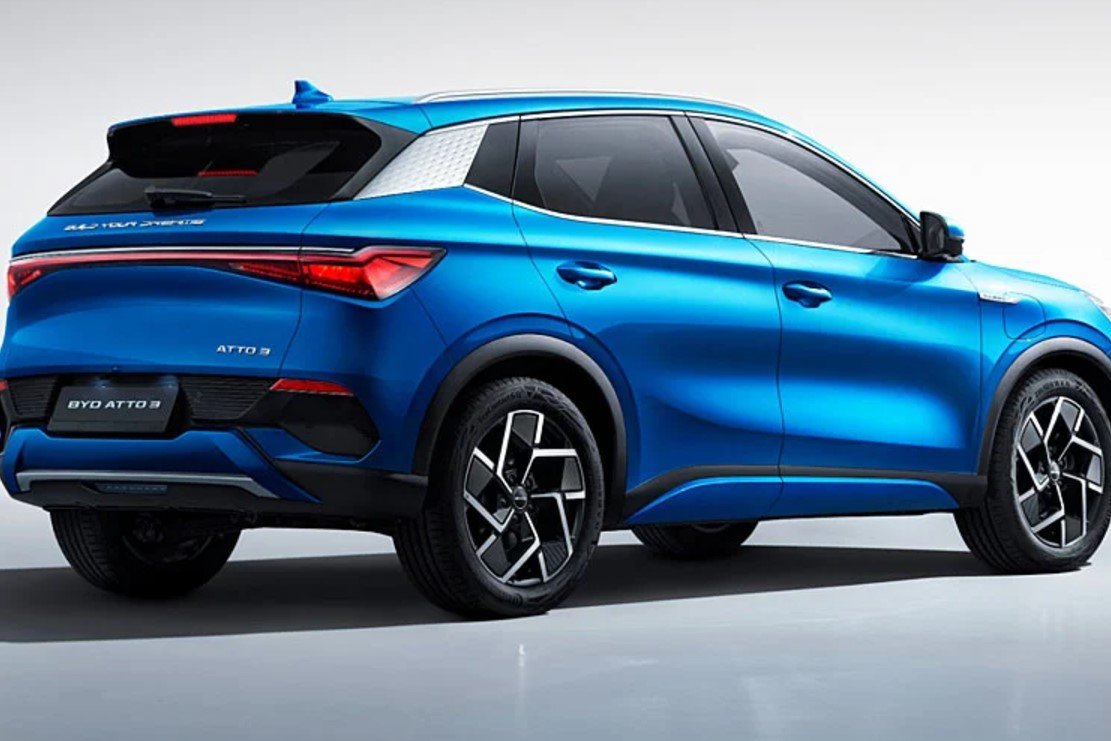
BYD, a leader in the EV market, achieved cumulative passenger vehicle deliveries of 3,740,930 by the end of November, exceeding its ambitious 2024 target of 3.6 million cars. In November alone, the company delivered 504,003 vehicles, a slight increase from October’s 500,526. This remarkable growth underscores BYD’s dominance in the global EV market.
The company’s consistent performance is a testament to its robust production capabilities and strong consumer demand. BYD’s achievements position it as a formidable competitor in the rapidly expanding EV industry.
Leapmotor Surpasses 250,000 Target with Strong Momentum
Leapmotor, backed by Stellantis, recorded 40,169 deliveries in November, marking a 5.22% increase from October and an impressive 117% year-on-year growth. With year-to-date deliveries at 251,207, the company has comfortably surpassed its annual target of 250,000 cars.
Leapmotor’s strong performance reflects its ability to capture market share in a competitive landscape. The company is well-positioned for sustained growth as it continues to innovate and expand its offerings.
Xiaomi’s Rapid Rise in EV Market
Xiaomi, better known for its smartphones, made a significant entry into the EV market this year with the launch of its SU7 model in March. By mid-November, Xiaomi had already surpassed its initial target of 100,000 deliveries, delivering over 20,000 vehicles for the second consecutive month.
Encouraged by this success, Xiaomi revised its annual target to 130,000 deliveries by the end of 2024. The company’s ability to transition seamlessly into the EV space showcases its strategic diversification and potential as a major player in the industry.
Zeekr and Xpeng Post Record-Breaking Months
Zeekr, the Geely-backed automaker, delivered 27,011 vehicles in November, representing a 7.83% increase from the previous month and a 106% year-on-year growth. Despite falling short of its full-year target of 230,000 deliveries with 194,933 cars delivered so far, Zeekr remains a key contender in the premium EV market. Its latest SUV, the Zeekr Mix, launched in late October and is expected to boost future sales.
Xpeng, on the other hand, achieved an all-time high of 30,895 deliveries in November, a 29% increase from October. The company’s Mona M03 model, priced competitively at $16,812, accounted for over 10,000 deliveries for the third straight month. Xpeng’s premium model, the P7+, launched in early November, also contributed significantly, with more than 7,000 deliveries.
Nio Eyes Q4 Targets and Future Growth
Premium brand Nio delivered 20,575 cars in November, up 28.9% year-on-year. This included 5,082 vehicles from its lower-priced brand Onvo, launched in September. To meet its Q4 delivery target of 72,000 to 75,000 cars, Nio must deliver at least 30,449 cars in December.
Nio has also revealed plans to launch its Firefly brand on December 21, a purely electric model that underscores the company’s commitment to innovation. Looking ahead, Nio aims to double deliveries next year, targeting 20,000 Onvo cars per month by March 2025.
What This Means for the Global EV Market
These record-breaking performances by Chinese automakers reflect the rapid growth and increasing competitiveness of the global EV market. Key factors driving this momentum include:
- Consumer Demand: Rising awareness of sustainability and government incentives are fueling demand for EVs.
- Innovation: Automakers are introducing advanced models at competitive prices.
- Expansion Strategies: Companies like Xiaomi are diversifying into the EV space, broadening market appeal.
China’s automakers are not just meeting but exceeding expectations, setting new benchmarks for the industry. As these companies continue to expand globally, they are reshaping the dynamics of the automotive market.