
TECHNOLOGY
iPhone Alarm Gradual Volume Increase: A Setup Guide
The iPhone alarm gradual volume increase is a Sleep wake-up tone that starts quiet and climbs to its own Alarm volume. A Clock alarm stays flat.

The alarm hits at full volume, you tap stop, and you are awake in the wrong way. Turning the ringer down the night before creates the other morning, the one you sleep through.
The iPhone alarm gradual volume increase is the climb built into the wake-up tones of a Sleep schedule. Those tones start quiet and grow louder up to a level you set on that alarm alone. A Clock alarm you add with the plus button plays at one level from the first second.
Below is how to turn that wake-up alarm on, which slider sets the loud end of the rise, how iOS 26 and iOS 27 divide the other volumes, and when a flat backup alarm still belongs on the same phone.
Where Does a Rising iPhone Alarm Come From?
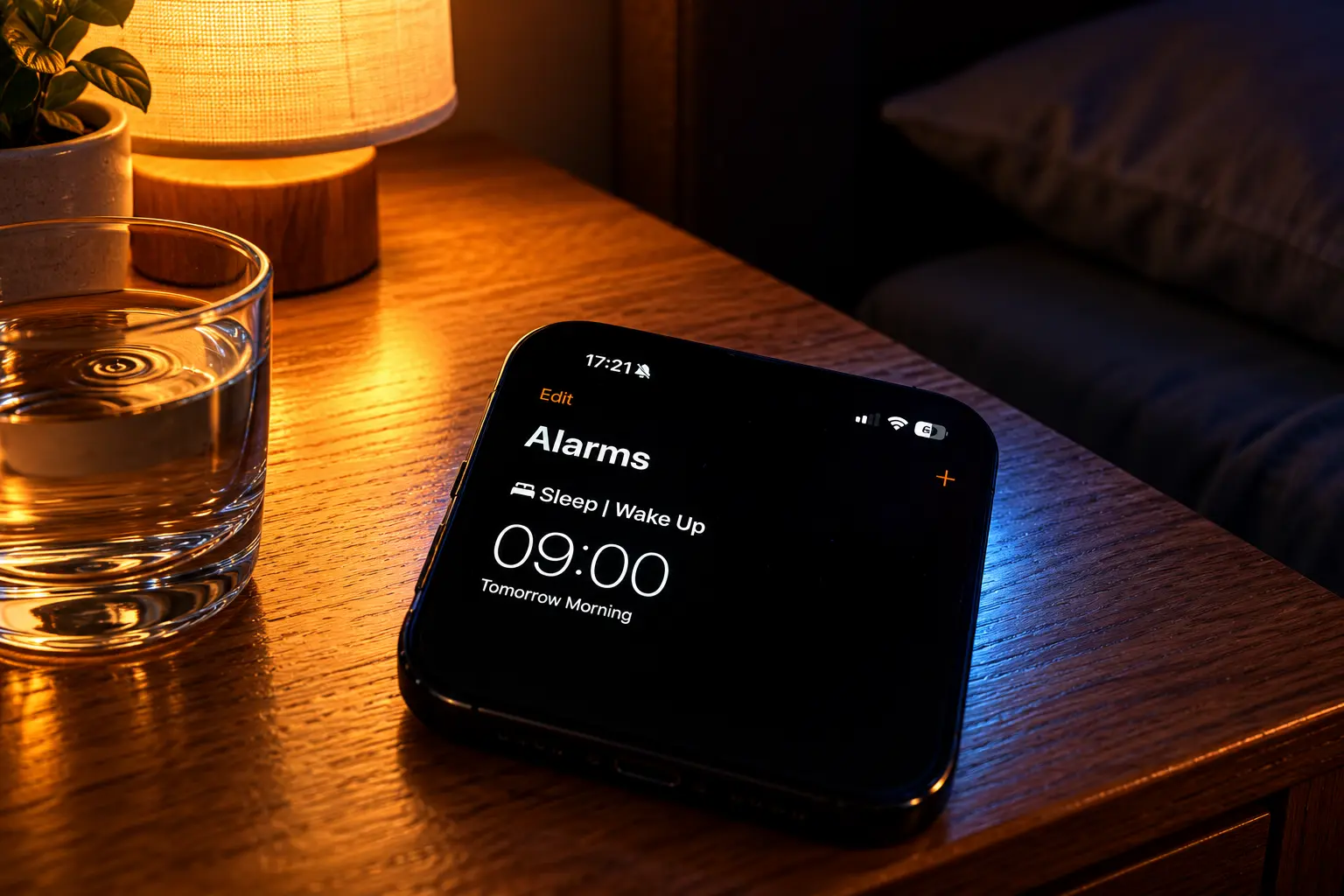
Clock shows two alarms that share a tab and do different jobs. The row you create yourself is a normal alarm. The row at the top, once sleep is set up in the Health app, is the wake-up alarm for that schedule.
- Normal Clock alarm: Time, repeat days, a label, a sound, and snooze. It starts at the phone’s alarm volume, with no fade.
- Sleep wake-up alarm: The tones for this alarm start quiet and grow louder. A normal alarm does not get that rise.
The rise is the crescendo described in Apple’s forum note on the Sleep alarm, and that note limits it to Sleep. You also cannot put a song on the sleep alarm. Health lets you choose a sound, its volume, a vibration, and snooze, and a song belongs on a Clock alarm instead. That song still starts at full level.
A flat tone is the one you shut off while you are still half asleep, because it is already loud. The wake-up tone is the one you can leave playing, because the opening is quiet enough to come around to. A softer ringtone on a normal alarm does not create the climb. It is only a quieter sound at full level from the first second.
Preview the wake-up tones under Sounds & Haptics and keep the one whose first seconds you can stand. Apple lists no control for how long the climb lasts. You set how loud it is allowed to get, and the tone follows Apple’s own timing on the way there.
How to Set an iPhone Alarm Gradual Volume Increase
The rise is on when the wake-up alarm is on and a wake-up tone is selected. You build the repeating days in Health, then you can change tomorrow from Clock without opening Health again.
Build the Schedule in the Health App
Health is where the repeating days live, and Clock only edits a schedule that already exists.
- Open the Health app, tap Browse, then tap Sleep.
- Scroll to Your Schedule and tap Full Schedule & Options.
- Tap Set Your First Schedule. If you already have one, tap Add Another Schedule, or tap Edit on the schedule you want to change.
- Tap the days at the top. The schedule runs only on days shown as solid circles, so a weekend plan can sit beside a weekday plan.
- Drag bedtime, drag wake-up, or drag the arc between them. The arc moves both times and keeps the same length of sleep.
- Turn Wake Up Alarm on. Choose a sound and a vibration, drag the volume, and turn on snooze if you want a Snooze button and a Snooze Duration.
- Tap Add, or tap Done if you were editing. Done applies the change to every day on that schedule.
Sleep Focus starts at the bedtime you set. You can pull it earlier with a wind down of 15 minutes to 3 hours, which is when the phone simplifies the Lock Screen and limits interruptions. Wind down changes which hours the phone stays quiet at night, while the morning sound still follows the wake-up tone and the Alarm volume you set.
Edit the Next Wake Up in Clock
Say tomorrow has to be 6:30 instead of 7:00, and the rest of the week should stay put. Open Clock, tap Alarms, and tap Change on the sleep row. Drag only the ringing-alarm control to move wake-up, or drag the arc if bedtime should move with it. Under Alarm Options, leave the alarm on, open Sounds & Haptics, preview a wake-up tone, and drag Alarm volume to the loudest point you can accept at the end of the climb. Set snooze here too if you want it.
Tap Done, then choose how far the edit reaches. The same fork is in the steps to change your wake up alarm in Clock.
ONE MORNING OR THE WHOLE SCHEDULE
- Next alarm only: The new time and options apply once, and the repeating schedule returns after that wake-up.
- This schedule: The edit replaces the repeating wake-up for every day on that schedule.
If the gentle alarm seems to vanish after one morning, Change Next Alarm Only was the button you tapped. Open Change again and choose Change This Schedule when the new time is the one you want all week.
Which Slider Sets the End of the Rise?
Dragging the first slider you see is how a careful setup still wakes you with a blast, or not at all. The wake-up alarm does not read the same control as a normal Clock alarm.
On the sleep alarm, Alarm volume is the ceiling. A higher ceiling means the climb is allowed to end louder. It does not stretch the climb, and it does not change the ringer you hear for an afternoon call. Ordinary Clock alarms ignore that slider completely.
| What you hear | iOS 26 and earlier | iOS 27 |
|---|---|---|
| Rising wake-up alarm | Alarm volume in Clock or Health | The same Alarm volume slider. The new Alarms and Timers slider does not move it |
| Clock alarm and timer | Ringtone and Alerts | Alarms and Timers after Match Ringtone Volume is off. If that switch stays on, they follow the ringer |
| Phone calls | Ringtone and Alerts | Ringtone |
| Texts, keyboard, camera shutter | Ringtone and Alerts | Alerts and System Sounds, once matching is off for that group |
On iOS 26 and earlier, one slider does almost all of this work outside the sleep alarm. Go to Settings, tap Sounds & Haptics, and drag Ringtone and Alerts. An alert plays while you drag, so you can hear the level a normal alarm will use. Apple’s alarm help page, published April 2, 2026, still describes only that slider.
iOS 27 can split the same screen into Ringtone, Alarms and Timers, and Alerts and System Sounds. Those groups match the ringtone until you turn matching off. Turning off Match Ringtone Volume under Alarms and Timers reveals a slider whose on-screen note reads “this volume will not affect the Wake-Up alarm and other alarms with their own volume control.” A loud flat backup and a quiet ringer can share one phone, and the rising wake-up still keeps the Alarm volume you set in Clock.
Picture a morning with four jobs. Calls should stay modest, texts quieter, the Clock backup loud enough to fill the room, and the wake-up tone medium at the end of its climb. On iOS 27, leave the ringtone slider where calls feel right, turn matching off under Alerts and System Sounds and drop that slider, turn matching off under Alarms and Timers and raise that slider for the backup, then set Alarm volume on the sleep row for the end of the rise. On iOS 26 you cannot split calls, texts, and the backup. One Ringtone and Alerts slider moves all three, and only the sleep Alarm volume stays on its own.
Change with Buttons sits on that same Sounds & Haptics screen. With it on, the side buttons change ringer and alarm volume whenever you are not on a call and not playing audio. With it off, those buttons only move media, and the level you saved stays where you left it. A quiet morning starts the night before, when a volume press meant for a video also drops the alarm.
How to Add a Flat Clock Alarm as Backup
The rising alarm is one time on a schedule. It will not also ring again ten minutes later as a second chance. Add a normal Clock alarm for mornings you cannot miss, and let the wake-up tone take the first try.
- Open Clock, tap Alarms, then tap the Add button.
- Set a time a few minutes after the wake-up alarm.
- Tap Repeat and choose the days that match that schedule.
- Tap Label and name it so you can tell it from the sleep row, such as Backup.
- Tap Sound and pick a tone. Leave it off None.
- Turn Snooze on if you want it, and set a Snooze Duration.
- Tap Done.
To change it later, tap the time, or tap Edit at the upper left, tap the alarm, and tap Save. To remove it, swipe left and tap Delete. You can also tap Edit, tap the alarm, and tap Delete Alarm. Either path removes only that row, not the sleep schedule.
Keep the backup’s sound sharper than the wake-up tone if you sleep through soft sounds, and set its loudness on the Clock-alarm slider from the table above, not on Alarm volume. The two alarms can be loud in different ways on purpose: a climb first, then a flat tone if you are still asleep.
Before you trust it overnight, listen once while you are awake. Set a normal alarm for one minute from now, and trigger the wake-up tone from its preview. The wake-up tone should begin softer than it ends. The backup should arrive at one steady level. If both are the same blast, the sleep alarm is off or you are hearing only the Clock alarm.
Settings That Make an Alarm Too Quiet
Silent mode is the check most people do first, and it is the one that does not explain a missing alarm. Do Not Disturb, the Ring/Silent switch, the Action button, and Silent mode leave the alarm audible. That list is in Apple’s guide to a quiet alarm, along with the checks that do change what you hear.
If the phone only vibrates, the sound is set to None. Open Clock, tap Alarms, tap Edit, tap the alarm, tap Sound, and choose a tone. Do the same for the wake-up alarm under Sounds & Haptics if that one is the quiet row. A vibration pattern on its own is faint on a soft mattress.
Headphones do not take the alarm out of the room. It plays at the set volume through the iPhone speaker and through wired or wireless headphones at the same time. StandBy is a different change: it turns alarm haptics off. Dock the phone for the night only after a real tone is selected, or StandBy plus a sound set to None leaves very little to notice.
Setting the clock by hand in Settings, the trick some people use to change a timer inside a game, can throw alarms off. Leave the time on automatic unless you know why you moved it. If the alarm drops only while you are looking at the screen, open Settings, tap Face ID & Passcode, and turn off Attention Aware Features. That option lowers alert sounds when the phone decides you are looking at it, which fights the moment you pick the phone up because it rang.
A Longer Climb Than the Sleep Alarm Allows
Stay with the sleep tones when a softer opening is enough and you can live with Apple’s timing. Move past them when the climb has to last for minutes, or when the sound has to be a song you already own.
Shortcuts can run at a time of day, play a song that is already downloaded, and raise media volume in steps you choose. The shortcut plays media. There is no Stop or Snooze card on the Lock Screen. If headphones or a Bluetooth speaker are connected, the song plays there instead of from the phone. If the track is not on the device and the network drops, nothing plays. Run the shortcut once while you are awake, then leave the Clock backup in place.
Some alarm apps offer a rise you can time. Since iOS 26, an app can use AlarmKit so its alarm can cut through silent mode and Focus the way Clock does. That behavior comes from the alarm system shown in the AlarmKit session for app alarms. An app still cannot rewrite the phone’s alarm volume. Its climb tops out at a share of the level you already set under Sounds & Haptics, so a quiet system slider makes every app alarm quiet too.
If the wake-up tone is already at the top of Alarm volume and you still sleep through it, the limit is that built-in climb and a soft tone. Raise the backup, or move to a timed rise. The plus-button alarm has no fade control to find.
Frequently Asked Questions
Can You Choose How Long the iPhone Alarm Takes to Get Loud?
You cannot set the number of seconds or minutes. The wake-up tones climb on Apple’s own timing, and the Alarm volume slider only sets how loud they become. For a climb you time yourself, play a downloaded song with Shortcuts or use an alarm app, and leave a Clock alarm a few minutes later so a missed song does not cost you the morning.
Does Match Ringtone Volume Stop the Gradual Rise?
Match Ringtone Volume does not stop the gradual rise. On iOS 27, that switch only decides whether ordinary alarms and timers follow the ringer. The Sleep wake-up alarm keeps the Alarm volume you set under Alarm Options whether the switch is on or off, which is why the new Alarms and Timers slider can leave the gentle alarm unchanged.
Can Your Own Song Rise the Same Way?
A song from your library cannot rise the same way. A sleep schedule takes the wake-up tones and a vibration, not a track from your library. Put the song on a separate Clock alarm if you want to hear it, and expect that alarm to start at full volume. The climb stays with the tones supplied for the schedule.
Why Is a Loud Alarm Still There After Sleep Setup?
The schedule adds a wake-up row and leaves every Clock alarm you created earlier switched on. Open Alarms and look for a second time under the sleep row. Turn that extra alarm off, or move it a few minutes later so it fires only if you sleep through the rise. If the new time was supposed to stick all week, confirm you chose Change This Schedule rather than Change Next Alarm Only.
Do Headphones or StandBy Silence the Speaker?
Headphones do not take the alarm off the phone speaker. You hear it from the speaker and from wired or wireless headphones together. StandBy changes the feel instead: it turns alarm vibration off. Leave a real tone selected before you dock the phone, or a stand plus a sound set to None is easy to sleep through.
Once the wake-up tone is selected and its Alarm volume is set, the side buttons are the main way that level changes by accident. Turn Change with Buttons off if you adjust video volume at night, keep the backup Clock alarm a few minutes later, and the first sound of the morning can be the one that started quiet.

Clay Moulds From the Blyth Hoard Fit Peebles Fittings

Treasury Yields Hit a 24-Year High as AI Joins the Queue

Crew-12 Leaves the ISS With Fedyaev and Adenot Aboard

The Graziers Recall Puts the 60-Day Cheese Rule on Trial

Hugo Chavez’s Hollywood Welcome Meets a Film About Escape

Sons of Behemat Add a Witch and a Middle Rank

Canada Still Clears Mazatlán as the Cartel War Arrives

The FTC Suit That Targets Amazon’s Hidden Ad Floor

Samsung Leads Mistral’s Record European Sovereignty Round

Laepple Automotive Bets on a Vacant Detroit Die Shop
-
 GAMING2 months ago
Sons of Behemat Add a Witch and a Middle Rank
-
 NEWS2 years ago
Canada Still Clears Mazatlán as the Cartel War Arrives
-
 BUSINESS3 months ago
The FTC Suit That Targets Amazon’s Hidden Ad Floor
-
 NEWS2 months ago
Samsung Leads Mistral’s Record European Sovereignty Round
-
 AUTO2 years ago
Laepple Automotive Bets on a Vacant Detroit Die Shop
-

 NEWS3 months ago
Apple’s Foldable iPhone Event Revives the Fingerprint Button
-

 LIFESTYLE2 years ago
Hot Honey: What It Does on UK Restaurant Menus and at Home
-

 LIFESTYLE2 years ago
Women Gym Affairs: Why They Start and What to Do After